Government
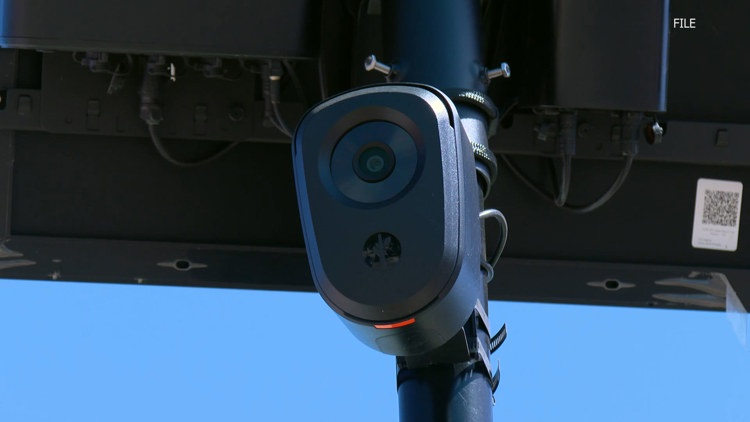
Flock cameras in Robinson to be removed, Mayor says
By Johnathan Lee
Advertisement · Why this ad?
Johnathan has spent a decade covering local government issues, with a degree in Political Science from Texas A&M University. Prior to joining Killeen Current, he worked as a political correspondent for Texas Monthly, where he developed an eye for thorough investigative reporting. His deep knowledge of public policy informs his sharp analysis of local governance.
More from Johnathan →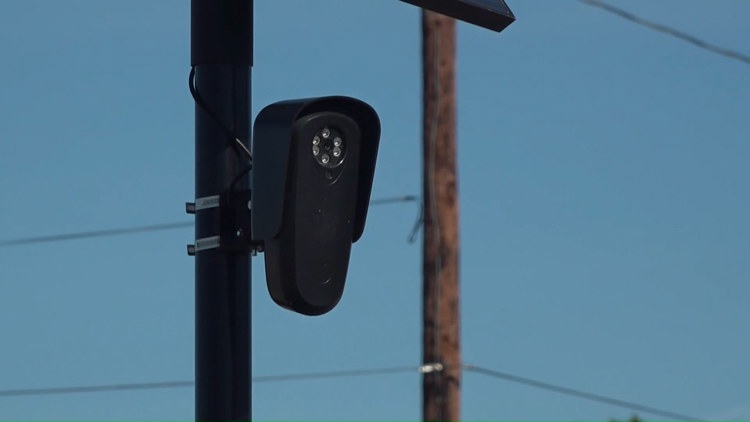
As the sun set over Robinson, Texas, Mayor Greg May stood resolute at a recent town hall meeting, addressing citizens concerned about their safety. The dimming light cast long shadows on the faces of residents who had gathered to discuss a pressing issue: the town's decision to remove Flock cameras from its streets. These cameras, known for their role in enhancing public safety, have become a contentious topic, balancing community security against privacy rights. Mayor May assured attendees, 'The safety of the citizens is not affected,' but the reality of policing without these high-tech tools presents unique challenges.
In a move that has stirred debate within the community, Robinson's leadership announced the removal of the Flock cameras, which have been instrumental in monitoring traffic and assisting in criminal investigations. Mayor May cited privacy concerns as the primary reason for this decision, stating that residents expressed discomfort over constant surveillance. The Flock cameras, which utilize automated license plate recognition technology, were seen by some as an infringement on personal freedoms.
This decision didn't come out of nowhere. It follows a broader trend seen in various municipalities across the country, where the balance between safety and privacy has sparked heated discussions. In Robinson, the cameras had been in place for just over two years, and while they contributed to a noticeable decrease in certain types of crime, the growing unease among residents about their privacy ultimately led to this decisive action.
Despite the mayor's reassurances, local law enforcement is now tasked with adapting to a new normal. The Robinson Police Department has acknowledged that investigations will inevitably slow down without the immediate access to data that the cameras provided. Police Chief Angela Smith emphasized the importance of community trust and transparency, stating, 'We understand the concerns, but we are committed to ensuring that our community remains safe.'
The response from Robinson residents has been mixed. Some applaud the decision, valuing their privacy over the perceived benefits of surveillance. One resident, Sarah Jenkins, shared her thoughts: 'I feel relieved knowing that I can go about my daily life without being watched. My family’s privacy matters more than any camera.' Others, however, worry about the potential rise in crime rates without the deterrent effect of the cameras.
Local resident and mother of three, Linda Torres, expressed her concerns at the meeting, stating, 'As a parent, I want my children to feel safe playing outside. But I also want to know that our privacy is respected. It’s a tough balance, but I think we can find a way to achieve both.' The tension between these two priorities is palpable in the community, as residents grapple with their differing views on safety and privacy.
Local business owner Marcus Lee expressed his concerns during the meeting, stating, 'While I appreciate the need for privacy, I also want to feel safe in my own neighborhood. These cameras helped catch criminals quickly, and I fear that their removal will embolden wrongdoers.' The fear of increased crime is palpable among some residents who remember high-profile incidents in the area that were resolved swiftly thanks to the technology.
In an effort to bridge the gap, the Robinson Police Department plans to enhance community engagement. Chief Smith has proposed increased foot patrols and community meetings to foster relationships between officers and residents. 'We want to hear from you,' she said, emphasizing that public safety is a partnership between law enforcement and the community.
Furthermore, the police department is exploring the implementation of community policing strategies, where officers actively engage with residents to identify concerns and work collaboratively on solutions. This approach not only aims to build trust but also encourages residents to take an active role in their neighborhood's safety.
The Flock cameras played a significant role in various investigations, from tracking stolen vehicles to identifying suspects in theft cases. Without this technology, the police department anticipates longer response times and potential challenges in solving crimes. Chief Smith noted that while officers will rely more on traditional investigative methods, they are also exploring other technological solutions that respect privacy.
Robinson's commitment to community safety remains strong, but the transition away from Flock cameras will require adjustments. Officers will need to rely more heavily on community tips and information sharing to fill the gaps left by the absence of surveillance technology. This shift could lead to a more engaged citizenry, but it also places more responsibility on residents to report suspicious activities.
Moreover, the police department is considering partnerships with local universities and tech firms to develop innovative solutions that enhance safety without compromising privacy. These initiatives could include the use of anonymous tip lines or mobile apps that allow residents to report incidents discreetly.
Looking ahead, the Robinson Police Department is focused on maintaining public safety while respecting privacy rights. The department is exploring partnerships with local organizations to promote crime prevention initiatives and neighborhood watch programs. These efforts aim to empower residents to take an active role in their community's safety.
Mayor May remains optimistic about the future of Robinson. He believes that by fostering a sense of community, residents will work together to keep their town safe. 'We are all in this together,' he stated, urging citizens to remain vigilant and proactive in reporting any suspicious activities.
Community engagement will be pivotal in the coming months as Robinson navigates this transition. The police department plans to host regular forums where residents can voice their concerns and suggestions. These meetings will not only serve as a platform for discussion but will also allow residents to learn more about crime prevention strategies and how they can contribute to their community's safety.
Local organizations, such as the Robinson Chamber of Commerce, are also stepping up to support these initiatives. They are working to create a network of businesses and residents who can collaborate on safety measures, such as organizing neighborhood watch groups and safety workshops. This grassroots approach could help restore a sense of security in the absence of the Flock cameras.
As Robinson navigates this new chapter, the balance between privacy and safety will continue to be a central theme in community discussions. The town’s ability to adapt to these changes will ultimately define its commitment to both its citizens' rights and their security. The upcoming months will be critical as residents and law enforcement alike adjust to this new era of community safety, and how they respond could set a precedent for other towns facing similar dilemmas.
By Johnathan Lee

By Johnathan Lee
By Marcus Hayes

By Marcus Hayes