Community
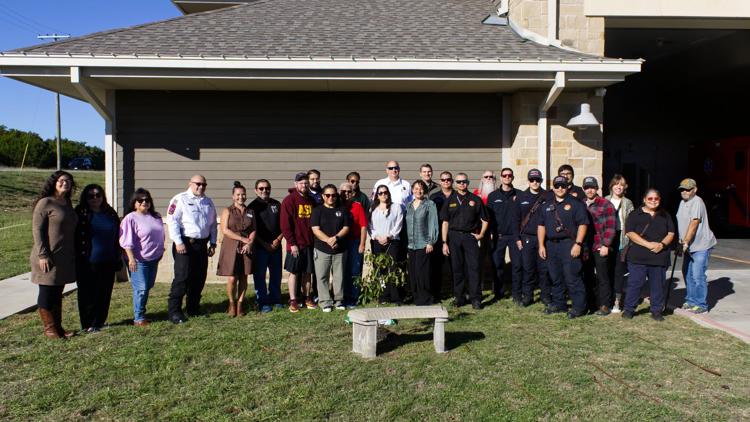
Copperas Cove honors fallen firefighter with tree planting
By Marcus Hayes
Advertisement · Why this ad?
Marcus has been a reporter for 4 years and has a degree in Community Development from the University of Texas at Arlington. His work has appeared in various local publications including the Killeen Daily Herald, where he focused on grassroots initiatives and community events.
More from Marcus →
On a crisp Saturday morning, the quiet of Milam County will be punctuated by the purposeful march of first responders preparing for the unexpected. As families enjoy their weekend routines, behind the scenes, dedicated law enforcement officers and emergency personnel are gearing up for a crucial exercise that underscores their commitment to community safety. This upcoming drill isn’t just a routine check; it’s a vital step in ensuring that when real emergencies strike, Milam County responds with precision, coordination, and unwavering resolve.
Scheduled for Saturday, November 7, the Milam County Sheriff's Office will conduct an extensive emergency response and investigation planning drill. This exercise aims to simulate a variety of crisis scenarios—ranging from natural disasters like tornadoes or floods to man-made incidents such as accidents or security threats. The goal is to test and refine the county’s emergency protocols, ensuring that every responder knows their role and can work seamlessly with neighboring agencies.
This drill is part of a broader initiative by local authorities to bolster community resilience. With the increasing complexity of emergencies in today’s world, having a well-practiced plan can be the difference between chaos and coordinated action. The Sheriff's Office has coordinated with local fire departments, EMS teams, and even volunteer organizations to create a comprehensive scenario that reflects real-world challenges. These collaborations are especially vital in a rural county like Milam, where resources are often stretched, and quick, coordinated responses can save lives.
Milam County, nestled in Central Texas, is characterized by its rural landscapes, small towns, and a close-knit community that takes pride in its shared history and values. The county seat, Cameron, is home to roughly 5,000 residents, with many other smaller communities like Rockdale and Gause contributing to the fabric of the region. The county’s population has grown steadily over the past decade, partly due to people seeking a quieter lifestyle away from urban congestion. However, this growth brings new challenges in emergency management, making drills like this all the more critical.
For residents of Milam County, the drill is a reminder of the importance of preparedness and community involvement. While the exercise is conducted with minimal disruption to daily life, it serves as a vital educational tool. Local officials hope that residents will view this as an opportunity to learn more about emergency procedures, such as evacuation routes, shelter locations, and how to communicate effectively during a crisis.
Past drills and training exercises have demonstrated tangible benefits. For example, in 2019, a similar exercise helped identify gaps in communication that, once addressed, improved response times during actual emergencies. Community members are encouraged to stay informed and participate in upcoming safety programs offered by local agencies. Building a resilient community begins with awareness and a shared commitment to safety.
Milam County Sheriff John Smith emphasized the importance of these drills, stating, “Our goal is to protect every family and individual in our community. Regular training ensures that when the real thing happens, we’re ready to respond swiftly and effectively.” Local residents have expressed appreciation for these proactive efforts, recognizing that such initiatives foster trust and unity among neighbors. Pastor James Carter, who leads a local church in Cameron, noted, “When our first responders are prepared, it reflects the strength of our community’s faith and commitment to caring for one another.” Many residents see these drills as a reflection of the county’s collective resilience, rooted in faith, family, and community bonds.
Looking ahead, Milam County plans to continue its emphasis on emergency preparedness through ongoing training and community outreach. The upcoming drill on November 7 is just one part of a broader strategy to enhance resilience. Officials are also exploring new technologies, such as improved communication systems and early warning alerts, to better serve their residents.
In recent years, the county has invested in upgrading its emergency communication infrastructure, including the installation of new siren systems and digital alert platforms that can notify residents via text or email. These tools are vital in ensuring timely dissemination of information during crises, especially in rural areas where traditional communication channels may be less reliable. The county’s Emergency Management Coordinator, Lisa Hernandez, has been at the forefront of these efforts, emphasizing the importance of community engagement in adopting new safety measures.
As the county prepares for future challenges, the importance of strong, faith-driven families and community bonds remains at the forefront. The county’s commitment to fostering a safe environment aligns with the values many hold dear—families staying united, communities built on trust, and a shared faith that guides them through adversity. These drills are more than exercises; they are a testament to the enduring spirit of Milam County and its unwavering dedication to protecting its people.
Residents are encouraged to stay informed about the drill and participate in community safety programs. For more information on emergency preparedness, visit the Milam County official website or contact local agencies directly. Community centers, churches, and schools often host safety workshops, which are excellent opportunities for families to learn and prepare together. The county’s ongoing efforts to educate and empower its residents are vital in cultivating a culture of safety and resilience.
Local leaders, including county commissioners, city officials, and faith-based organizations, play a pivotal role in fostering preparedness. Pastor Carter’s church, for instance, has begun offering free safety seminars and emergency preparedness classes, emphasizing the importance of faith and community support in times of crisis. These programs aim to equip families with practical skills, such as first aid, CPR, and basic emergency response techniques, reinforcing the idea that safety is a shared responsibility.
Furthermore, volunteer groups like the Milam County Volunteer Fire Department and the Civil Air Patrol contribute significantly to emergency response efforts. Their members often undergo specialized training, and during drills, they work alongside paid responders to simulate real-world scenarios. Their participation not only enhances the county’s overall readiness but also fosters a sense of community ownership over safety initiatives.
For the residents of Milam County, these drills are more than just exercises—they are a reassurance that their safety is a priority. In a region prone to severe weather, including tornadoes and flooding, being prepared can mean the difference between life and death. The county’s proactive approach demonstrates a commitment to protecting its most vulnerable populations, including the elderly, children, and those with special needs.
Moreover, the ongoing emphasis on emergency preparedness helps to strengthen community bonds. When neighbors see their local responders actively practicing and improving their skills, it fosters trust and a collective sense of responsibility. This shared vigilance is especially vital in rural communities, where access to emergency services may be limited and self-reliance is often a key part of daily life.
Following the November 7 drill, officials will conduct a thorough review of the exercise’s outcomes, identifying strengths and areas for improvement. This debriefing process involves all participating agencies, from law enforcement to medical responders, and often includes feedback from community members who observe or are affected by the drill.
Based on these findings, the county may implement new protocols or upgrade equipment to address identified gaps. For example, if communication barriers are discovered, additional training or technology upgrades could be prioritized. The county also plans to hold regular follow-up drills, ensuring that preparedness remains a continual focus rather than a one-time event.
Community members will be kept informed through local media, social media channels, and public meetings. The county’s commitment to transparency and ongoing engagement aims to foster a culture where safety is a shared, everyday priority. As Milam County continues to grow and evolve, so too will its strategies for protecting its residents, always guided by the core values of faith, family, and community.
In conclusion, the upcoming emergency response drill on Nov. 7 is a crucial step in safeguarding Milam County’s future. It exemplifies the proactive spirit of a community that values preparedness, faith, and collective effort. By working together, residents and responders alike are building a resilient, secure environment where everyone can thrive, no matter what challenges lie ahead.
By Marcus Hayes

By Marcus Hayes

By Marcus Hayes
By Marcus Hayes